How to Prevent Plumbing Emergencies in Older Homes
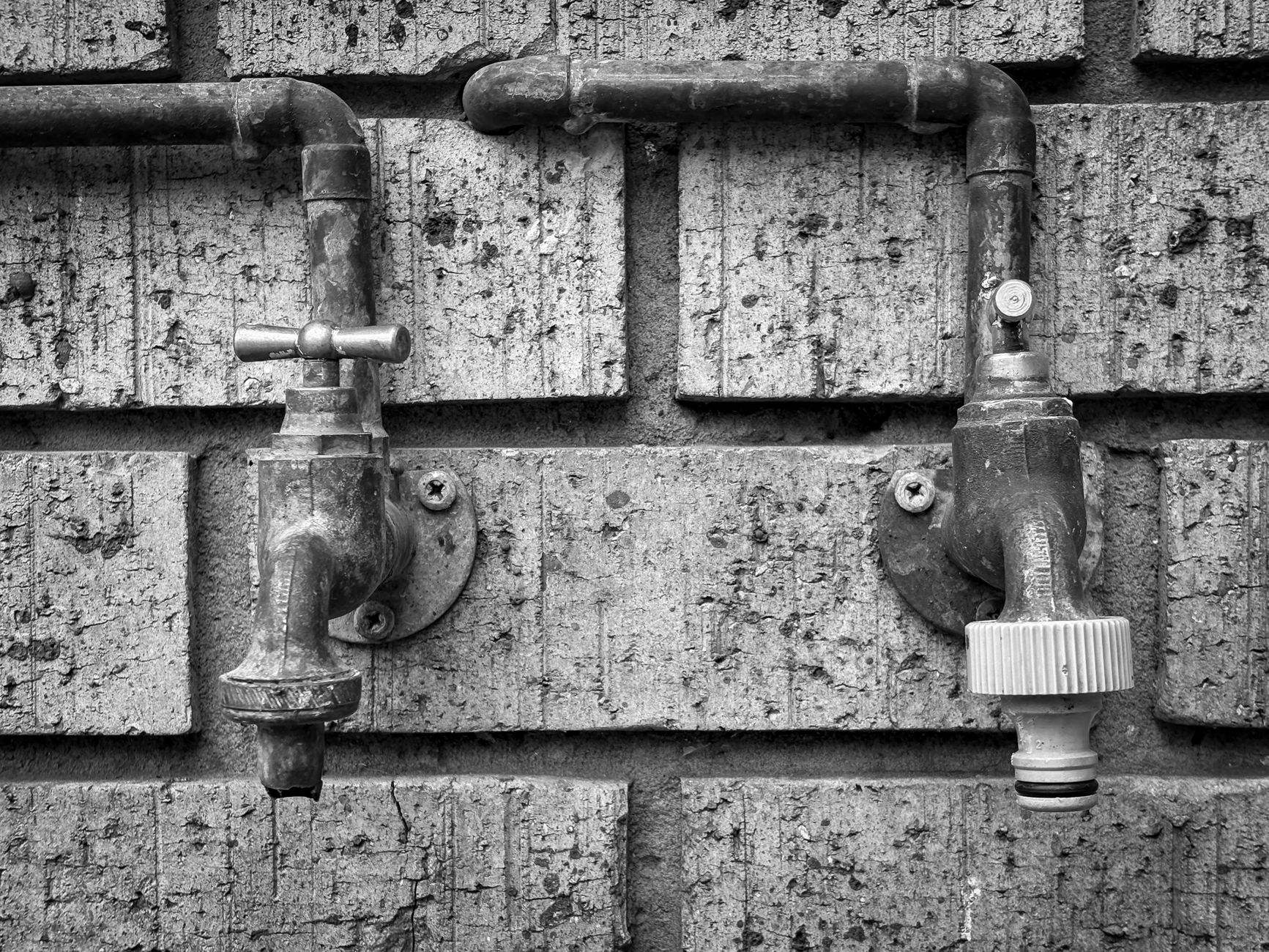
You prevent plumbing emergencies in older homes by replacing failing materials before they burst, managing water pressure, and addressing small leaks the week you notice them. Most catastrophic failures-a burst pipe flooding a basement, a water heater rupturing-start as slow drips or corrosion that went ignored for months. In this guide, we cover the specific vulnerabilities of pre-1980s plumbing, a monthly maintenance routine that takes under an hour, and the warning signs that mean you should call a professional before you have a real emergency on your hands.
Why Older Homes Are More Prone to Plumbing Emergencies
Homes built before 1980 were plumbed with materials that have a predictable lifespan, and most of them are past it. Galvanized steel pipes corrode from the inside out and typically fail between 40 and 60 years. Polybutylene supply lines, common from the late 1970s to mid-1990s, become brittle and can burst without warning. Cast iron drain lines crack and scale shut after 50 years. If your home still has these materials, you are living on borrowed time.
Water pressure is the other silent killer. Older homes were built when municipal water pressure rarely exceeded 60 psi. Today, many systems push 80 psi or higher. That extra pressure stresses every joint, valve, and supply line. A $15 pressure-reducing valve can add years to your plumbing's life. We install them regularly for homeowners across the United States who are tired of replacing fixtures every few years.
Finally, older homes often have had multiple partial renovations. A previous owner may have connected copper to galvanized steel without a dielectric union, causing accelerated corrosion at the joint. Or they used SharkBite fittings in a wall cavity where they should have soldered. These shortcuts fail first.
Know Your Home's Plumbing Materials
The single most useful thing you can do is identify what your pipes are made of. Here is what to look for and what it means for your risk level.
- Galvanized steel: Dull gray, magnetic, often rust-stained at joints. Lifespan 40-60 years. Replace on sight if your home was built before 1970.
- Copper: Reddish-brown, soldered joints. Lifespan 50-70 years. Watch for pinhole leaks and green corrosion.
- Polybutylene (gray or blue): Flexible plastic, often stamped "PB." Lifespan 10-15 years. Prone to sudden bursts. Replace immediately.
- PEX: Red, blue, or white flexible tubing. Lifespan 40+ years. Good material, but check for improper crimp rings.
- Cast iron drain lines: Heavy black metal. Lifespan 50-75 years. Look for rust flakes in drain water or cracks at joints.
- Clay or Orangeburg sewer lines: Common pre-1970s. Lifespan 30-50 years. Root intrusion and collapse are common.
If you are not sure what you have, a licensed plumber can inspect your visible lines in under an hour. We do this for homeowners all the time, and it is the first step in any real prevention plan.
Monthly Maintenance Checklist for Older Plumbing
You can prevent most emergencies with a 30-minute routine once a month. Set a phone reminder. Here is exactly what to do.
- Check under every sink for moisture. Run your hand along the cabinet floor and around supply lines. A drop now is a flood later.
- Test the water pressure. Screw a $10 gauge onto an outdoor spigot. Anything above 80 psi needs a pressure-reducing valve.
- Flush the water heater. Attach a hose to the drain valve and run 2-3 gallons into a bucket. If the water is rusty, the tank is corroding from the inside.
- Run water in unused fixtures. Guest bathroom, laundry sink, basement shower. Pour a cup of water into floor drains to refill the trap and block sewer gas.
- Check the toilet for silent leaks. Add a few drops of food coloring to the tank. If color appears in the bowl without flushing, the flapper is leaking.
- Look for rust or corrosion on exposed pipes. White crust on copper or rust streaks on steel mean the pipe is failing.
If you find a leak you cannot fix with a wrench and Teflon tape, call us for leak detection and repair before it gets worse. We use acoustic listening equipment and thermal imaging to find leaks inside walls without tearing your house apart.
Seasonal Plumbing Risks in the United States
November through March is when we get the most emergency calls. Freezing temperatures are the number one cause of burst pipes in older homes, especially in unheated crawl spaces, attics, and exterior walls. A single 1/8-inch crack in a supply line can release 250 gallons of water a day. That is a flooded basement and a $5,000+ repair bill.
Here is how to prepare for winter in a home with older plumbing:
- Disconnect garden hoses and shut off outdoor spigots from inside.
- Insulate exposed pipes in the basement, crawl space, and attic with foam sleeves.
- Keep cabinet doors open under sinks on exterior walls during cold snaps.
- Let a pencil-thin stream of water run from the faucet farthest from your main shutoff.
- If you leave town, set the thermostat no lower than 55°F.
Summer brings its own risks. High heat expands pipes and stresses joints. More importantly, summer is when tree roots grow aggressively into clay sewer lines. If your drains start backing up in July, you likely have root intrusion. We handle sewer repair service across the United States and can camera-inspect your line to confirm the problem before we dig.
Spring and fall are the best times to schedule preventive maintenance. We are less busy, and you are not dealing with an active leak. If you have been putting off a drain cleaning, do it before the holiday season when kitchen sinks work overtime.
Common Mistakes That Trigger Plumbing Emergencies
We see the same preventable mistakes over and over. Avoid these and you will cut your emergency risk dramatically.
- Using chemical drain cleaners. They generate heat that cracks older pipes. Use a plunger or a hand snake instead.
- Ignoring a running toilet. A leaking flapper wastes 200 gallons a day and can overflow if the fill valve fails.
- Over-tightening connections. You can crack a fitting or strip threads. Hand-tight plus a quarter turn with a wrench is enough.
- Pouring grease down the drain. It solidifies and creates blockages. Wipe pans with a paper towel before washing.
- Not knowing where your main shutoff valve is. In an emergency, every second counts. Find it today and tag it.
- DIY repairs on gas lines. This is illegal in most states and genuinely dangerous. Call a professional for gas leak repair.
One more: do not ignore a water heater that is more than 10 years old. The average tank lasts 8-12 years. If yours is in that range and you see rust or hear popping, replace it on your schedule, not on its schedule at 2 a.m. on a Sunday.
When to Call a Professional
Call a professional when you see water where it should not be, smell gas, or lose hot water completely. Those are not DIY situations. For everything else, here is our rule of thumb: if the fix requires opening a wall, soldering a joint, or touching anything behind a fixture, call us.
We handle emergency plumbing repair for older homes every day. Our technicians carry the parts that fail most often in pre-1980s plumbing-galvanized nipples, copper couplings, pressure-reducing valves, and water heater thermocouples. We find the problem, fix it, and test the line before we leave. No guesswork, no return visits.
If you are in the middle of a renovation and discover old pipes behind the drywall, that is also a good time to call. We can assess whether to repair or replace while the wall is already open. It is far cheaper than opening it again in six months.
Frequently Asked Questions
How often should older homes have plumbing inspections?
Every 12 to 18 months for homes over 40 years old. An inspection costs $150-$300 and catches corrosion, pressure issues, and slow leaks before they become emergencies. If your home still has galvanized steel or polybutylene, inspect every 12 months.
What is the most common plumbing emergency in older homes?
Burst supply lines from freezing or corrosion. They account for roughly 40% of our emergency calls in homes built before 1980. The second most common is sewer backups from root intrusion or collapsed clay lines.
Can I prevent a burst pipe in winter?
Yes. Insulate exposed pipes, keep cabinet doors open, maintain 55°F minimum indoors, and let a thin stream run during hard freezes. These four steps prevent the vast majority of winter bursts. If a pipe does freeze, thaw it slowly with a hair dryer-never a torch.
How do I know if my older home has polybutylene pipes?
Look for gray or blue flexible plastic tubing, often stamped "PB" or "Polybutylene." It was common from 1978 to 1995. If you find it, replace it. Polybutylene fails without warning and is not insurable by most carriers.
Is it worth replacing old plumbing before it fails?
Usually yes. A full repipe costs $4,000-$15,000 depending on home size and material. A single burst pipe can cause $10,000+ in water damage plus mold remediation. Proactive replacement is cheaper and far less stressful.
Get Help with Emergency Plumber in the United States
If you are dealing with a leak, a failing water heater, or any plumbing problem in an older home, call Peak Plumbing Pros at (844) 924-8548. We serve homeowners across the United States with same-day emergency service and upfront pricing.
Do not wait for a drip to become a flood. One call now can save you thousands later.
Frequently asked questions
How often should older homes have plumbing inspections?
Every 12 to 18 months for homes over 40 years old. An inspection costs $150-$300 and catches corrosion, pressure issues, and slow leaks before they become emergencies. If your home still has galvanized steel or polybutylene, inspect every 12 months.
What is the most common plumbing emergency in older homes?
Burst supply lines from freezing or corrosion. They account for roughly 40% of our emergency calls in homes built before 1980. The second most common is sewer backups from root intrusion or collapsed clay lines.
Can I prevent a burst pipe in winter?
Yes. Insulate exposed pipes, keep cabinet doors open, maintain 55°F minimum indoors, and let a thin stream run during hard freezes. These four steps prevent the vast majority of winter bursts. If a pipe does freeze, thaw it slowly with a hair dryer-never a torch.
How do I know if my older home has polybutylene pipes?
Look for gray or blue flexible plastic tubing, often stamped "PB" or "Polybutylene." It was common from 1978 to 1995. If you find it, replace it. Polybutylene fails without warning and is not insurable by most carriers.
Is it worth replacing old plumbing before it fails?
Usually yes. A full repipe costs $4,000-$15,000 depending on home size and material. A single burst pipe can cause $10,000+ in water damage plus mold remediation. Proactive replacement is cheaper and far less stressful.