How Much Does an Emergency Plumber Cost in the USA
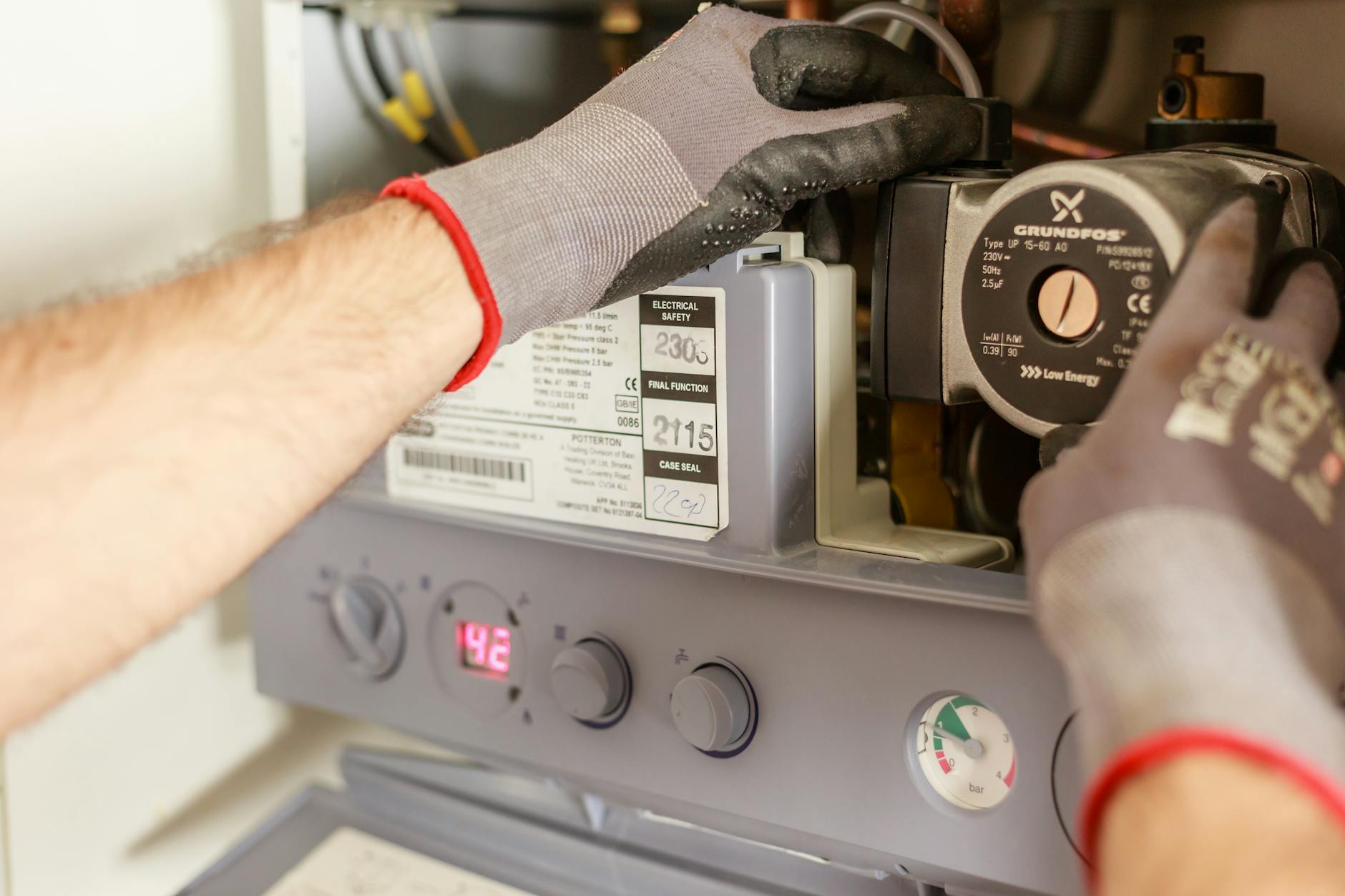
Emergency plumber cost in the USA runs $150 to $500 for most residential calls in 2026, and after-hours work pushes that to $200-$600. The single biggest variable is when you call: a Tuesday morning leak detection job costs less than the same job at 2 a.m. on a holiday weekend.
Emergency plumbing repair is the trade category that covers any plumbing failure you cannot safely wait on - burst pipes, sewage backups, no hot water in winter, gas smells, and toilets overflowing onto the floor. Below we break down real 2026 pricing by job type, what drives the number up or down, and how to spot a quote that is going to balloon after the technician is already in your basement.
What an Emergency Plumber Costs in 2026
In 2026, the national average for an emergency plumbing visit lands at about $325, including the trip charge and the first hour of labor. That number hides a wide spread. A $180 toilet repair in a suburb and a $4,500 sewer line replacement in a 1920s city rowhouse both started as emergency calls.
Here is what the market looks like right now:
- Standard business hours emergency: $150-$350 for the visit plus the first hour
- Evenings and weekends: $200-$450
- Overnight, holidays, and major storms: $300-$600
- Diagnostic or trip fee: $49-$150, often credited toward the repair
- Additional labor after the first hour: $75-$200 per hour
Parts are separate. A replacement flapper costs $8. A 50-gallon gas water heater costs $600-$1,400 before installation. When you call Emergency Plumber across the United States, we quote the trip fee and hourly rate before we roll, and we tell you the parts cost before we install anything.
Why Emergency Plumbing Costs More Than a Scheduled Visit
A scheduled plumbing visit costs less because the plumber can batch it into a normal day. An emergency call breaks that schedule - a licensed tech drops what they are doing, loads a truck with the parts most likely to be needed, and drives to you at a time they would otherwise be off.
Three costs stack up on every after-hours call:
- Dispatch premium. The plumber is paid overtime or a callback rate, and that shows up on your invoice.
- Truck restocking. Emergency trucks carry more inventory - fittings, shutoff valves, sump pumps, water heater elements - because there is no time to run to a supply house at 1 a.m.
- Risk and liability. A burst pipe in a finished basement is a water-damage claim waiting to happen. The work has to be right the first time.
We see this pattern most in older housing stock. Cities with pre-war plumbing - galvanized supply lines, cast iron drains, undersized vents - generate more true emergencies per capita than new construction. Homeowners we work with on burst pipe repair in those neighborhoods usually find out the hard way that a 70-year-old shutoff valve will not close when they need it to.
Typical Price Ranges by Type of Emergency
Pricing by job type is the fastest way to sanity-check a quote. The ranges below are 2026 residential figures for a single-family home, including labor and common parts.
Leaks and Burst Pipes
A hidden slab leak or pinhole leak in a wall runs $250-$800 to locate and repair. A burst supply line is usually $300-$1,100 depending on how much wall or ceiling has to be opened. If the pipe is behind tile, add $200-$600 for the repair and restoration coordination.
Drain and Sewer Backups
Emergency drain cleaning for a single clogged line is $175-$450. A main sewer line clog that needs a cable or hydro-jet is $300-$800. If the camera shows a collapsed or root-invaded line, you are looking at a sewer repair service starting around $1,800 and climbing past $12,000 for a full replacement with excavation.
Water Heaters
Emergency water heater repair - a failed thermocouple, a leaking T&P valve, a dead heating element - is $200-$500. A full replacement on the same visit is $900-$2,500 installed for a standard tank, and $2,800-$5,500 for a tankless unit. Cold showers in January are the number-one reason people call us at 6 a.m.
Gas Leaks
Gas leak repair is the one category where cost is secondary. If you smell gas, get out and call your utility first. Once the utility caps the line, a licensed plumber runs $300-$900 to locate and repair the leak, plus $150-$400 for a pressure test and relight.
Toilets and Fixtures
An overflowing toilet is the cheapest emergency on this list. toilet repair runs $150-$350 for a wax ring, fill valve, flapper, or supply line. A full toilet replacement is $350-$800 installed.
What Actually Drives the Final Bill
Two jobs that sound identical on the phone can land $400 apart. Here is what moves the number.
- Time of day. A 10 a.m. call and a 10 p.m. call for the same clog can differ by $150-$250.
- Access. A shutoff valve in an open basement is a five-minute job. The same valve behind drywall is a two-hour job with a patch to follow.
- Pipe material. Copper and PEX repair cleanly. Galvanized steel and polybutylene often fail again two feet down the line, so a good plumber repairs more than the visible break.
- Age of the system. A 1950s house with original drains will need a camera inspection before anyone can promise a fix.
- Water damage already done. If the ceiling is sagging, you are paying for plumbing plus a restoration referral.
We give you the trip fee, the hourly rate, and an honest range before we arrive. If the job changes once we open the wall, we stop and tell you why before we keep going.
How Much Does an Emergency Plumber Charge at Night or on a Weekend?
After-hours emergency plumbing in the USA adds a 1.5x to 2x multiplier on top of the standard rate. That is not gouging - it is the cost of keeping a licensed tech on call and a stocked truck ready at 3 a.m.
Expect these add-ons in 2026:
- Weeknight after 6 p.m.: +$75-$150
- Saturday: +$100-$200
- Sunday: +$150-$250
- Major holidays (Thanksgiving, Christmas, New Year's): +$200-$400
Winter is the peak season in most of the country. Frozen pipes, failed sump pumps, and cold-weather water heater failures all cluster between December and March. If you live in a region with hard freezes, the smartest money you spend is a $150-$300 preventive visit in the fall - insulation on exposed lines, a shutoff check, and a water heater flush. That is cheaper than one emergency call.
For homeowners dealing with older fixtures and slow drains that never quite clear, a scheduled leak detection and repair visit is the better play. We find the problem on a Tuesday afternoon instead of a Sunday night.
Common Mistakes Homeowners Make With Emergency Plumbers
The most expensive emergency plumbing calls are the ones where the homeowner made the problem worse before the plumber arrived. Here is what we see most often.
- Not knowing where the main shutoff is. Every minute of water flowing into a burst pipe adds $500-$2,000 in damage. Find your shutoff today, not during the flood.
- Calling the first number on a search ad. National lead-generation services sell your call to a local contractor and add a markup. Call a licensed local plumber directly.
- Pouring chemical drain cleaner into a full clog. It rarely clears the blockage, and it turns a $250 cable job into a $400 hazmat situation for the technician.
- Running the water to "test" a gas smell. Never. Leave the house, then call the utility.
- Accepting a verbal quote with no hourly rate. Ask for the trip fee and the hourly rate before anyone starts work.
- Ignoring a slow leak because it is not flooding. A pinhole leak in a copper line can run for months and rot a subfloor before it shows on the ceiling.
When to Call a Professional
Call a licensed plumber immediately when water is where it should not be, when you smell gas, when sewage is backing up, or when you have no hot water in freezing weather. Those are not DIY jobs, and the wrong fix costs more than the right one.
At Peak Plumbing Pros, we run emergency calls across the United States with licensed technicians, stocked trucks, and upfront pricing. We find the problem, tell you what it costs, and fix it before we leave. If it can wait until morning, we will tell you that too - and save you the after-hours premium.
Frequently Asked Questions
How much does an emergency plumber charge just to come out?
The trip or diagnostic fee runs $49-$150 in 2026, and most plumbers credit it toward the repair if you approve the work. After-hours calls add $75-$400 on top depending on the day and time.
Is it cheaper to wait until morning for a plumbing emergency?
Yes, by $150-$250 on average - but only if the problem can safely wait. A dripping faucet can wait. A burst pipe, sewage backup, or gas smell cannot, and the water damage will cost far more than the after-hours premium.
Do emergency plumbers charge by the hour or by the job?
Most charge a trip fee plus an hourly rate of $75-$200, with a one-hour minimum. Larger jobs like water heater replacement or sewer repair are usually quoted as flat-rate prices once the technician diagnoses the problem on site.
Will homeowners insurance cover an emergency plumber?
Insurance typically covers the water damage a failed pipe causes, not the pipe repair itself. Most policies pay for drywall, flooring, and contents, while the plumbing fix is usually out of pocket. Check your policy before you file.
How fast can an emergency plumber get to my house?
In most metro areas, a licensed emergency plumber arrives within 60-120 minutes. Rural areas and peak storm nights can push that to 3-4 hours. Call early - the first call in a storm gets the first truck.
Get Help With Emergency Plumber in the United States
If water is running where it should not be, or you have no hot water and the temperature is dropping, call us now. We will tell you the trip fee and hourly rate before we dispatch, and we will fix the problem on the first visit whenever the parts allow.
Call Peak Plumbing Pros at (844) 924-8548 - 24 hours a day, 7 days a week.
Frequently asked questions
How much does an emergency plumber charge just to come out?
The trip or diagnostic fee runs $49-$150 in 2026, and most plumbers credit it toward the repair if you approve the work. After-hours calls add $75-$400 on top depending on the day and time.
Is it cheaper to wait until morning for a plumbing emergency?
Yes, by $150-$250 on average - but only if the problem can safely wait. A dripping faucet can wait. A burst pipe, sewage backup, or gas smell cannot, and the water damage will cost far more than the after-hours premium.
Do emergency plumbers charge by the hour or by the job?
Most charge a trip fee plus an hourly rate of $75-$200, with a one-hour minimum. Larger jobs like water heater replacement or sewer repair are usually quoted as flat-rate prices once the technician diagnoses the problem on site.
Will homeowners insurance cover an emergency plumber?
Insurance typically covers the water damage a failed pipe causes, not the pipe repair itself. Most policies pay for drywall, flooring, and contents, while the plumbing fix is usually out of pocket. Check your policy before you file.
How fast can an emergency plumber get to my house?
In most metro areas, a licensed emergency plumber arrives within 60-120 minutes. Rural areas and peak storm nights can push that to 3-4 hours. Call early - the first call in a storm gets the first truck.